

Why Professional IT Support Is Important for Businesses
Technology has become the backbone of nearly every modern organization. From communication and data storage to customer service and financial management, businesses depend on technology to keep operations running smoothly. As organizations continue to embrace digital tools, the need for Professional IT Support has become more critical than ever. Whether a company is a small startup or a multinational corporation, having access to reliable technical expertise can make the difference between steady growth and costly disruptions.
The business environment is increasingly competitive, and customers expect fast, secure, and seamless service. A single network outage, cybersecurity breach, or software failure can damage a company’s reputation and lead to financial losses. This is why many organizations invest in Professional IT Support to maintain their systems, protect valuable data, and ensure operational continuity. Rather than reacting to problems after they occur, businesses can proactively manage their technology infrastructure and minimize risks.
This article explores the importance of IT support in today’s business landscape, highlighting the benefits, cost savings, productivity improvements, and strategic advantages it offers. By understanding the value of expert technical assistance, organizations can make informed decisions that support long-term success.
Understanding the Role of Professional IT Support
Technology systems have become increasingly complex. Businesses use cloud computing platforms, customer relationship management systems, cybersecurity tools, communication networks, and countless software applications. Managing these technologies effectively requires specialized knowledge and ongoing maintenance. This is where Professional IT Support plays a crucial role.
IT support professionals are responsible for monitoring, maintaining, troubleshooting, and optimizing technology systems. Their objective is not only to fix problems but also to prevent them from occurring in the first place. By continuously monitoring systems and identifying potential issues early, they help organizations avoid costly downtime and disruptions.
A professional support team acts as both a technical resource and a strategic partner. They help businesses align technology investments with organizational goals while ensuring that systems remain secure and efficient. Instead of spending valuable time resolving technical issues, employees can focus on their primary responsibilities and contribute more effectively to business growth.
As digital transformation accelerates across industries, the role of IT support continues to expand. Modern IT professionals are expected to manage cybersecurity risks, support remote work environments, implement cloud solutions, and provide strategic technology guidance. Their expertise has become an essential component of sustainable business operations.
What Professional IT Support Includes
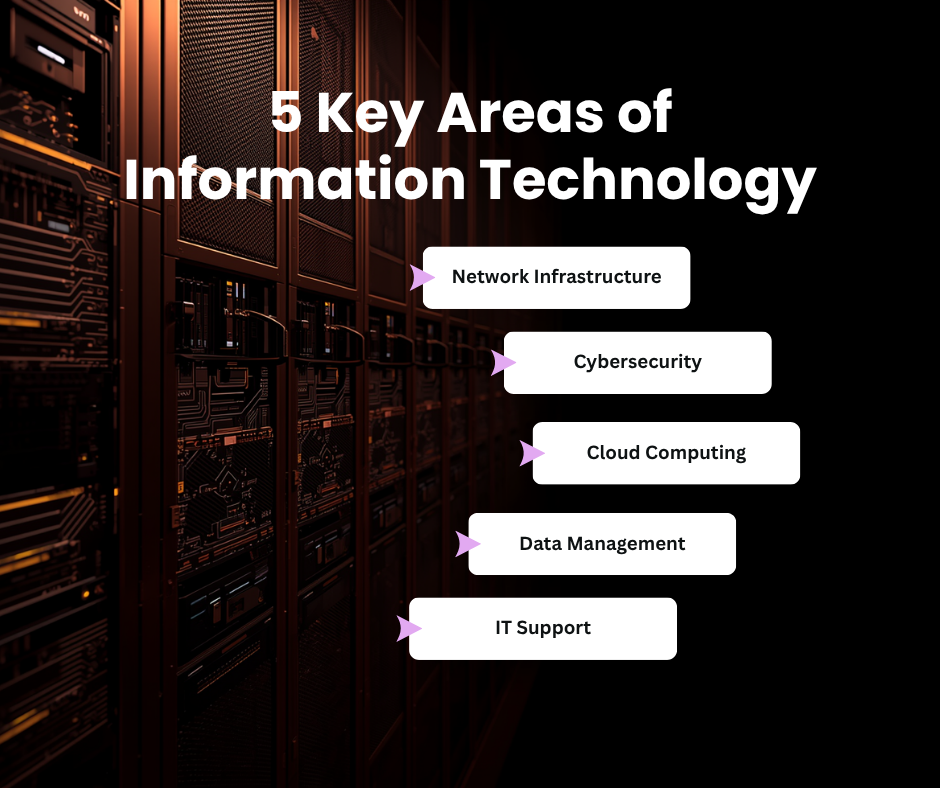
The scope of IT support extends far beyond fixing computers. Modern IT services encompass a wide range of responsibilities designed to keep technology systems operating efficiently and securely. These services often include network management, cybersecurity monitoring, software updates, hardware maintenance, data backup, cloud administration, and technical help desk support.
One of the most valuable aspects of Professional IT Support is proactive system monitoring. Rather than waiting for a problem to occur, IT specialists continuously observe system performance and address vulnerabilities before they become major issues. This preventive approach significantly reduces operational disruptions and enhances reliability.
IT support teams also provide user assistance. Employees frequently encounter software issues, connectivity problems, or hardware malfunctions that can impact productivity. Quick access to knowledgeable support personnel ensures that these challenges are resolved efficiently.
Another important function involves data protection and disaster recovery planning. Businesses generate and store vast amounts of sensitive information. Professional IT providers implement backup systems, recovery procedures, and security protocols to safeguard critical data against cyberattacks, accidental deletion, and hardware failures.
The comprehensive nature of modern IT services demonstrates why professional support has become a strategic necessity rather than a simple operational expense.
How IT Support Has Evolved in Modern Business
The concept of IT support has undergone significant transformation over the past two decades. Traditionally, technical support was largely reactive. Businesses would contact technicians only after experiencing a problem, such as a server crash or software failure. This approach often resulted in extended downtime and unexpected expenses.
Today’s Professional IT Support model emphasizes proactive management and strategic planning. Advanced monitoring tools allow support teams to detect warning signs before they escalate into major disruptions. This shift has improved reliability while reducing operational risks.
The rise of cloud computing has further expanded the responsibilities of IT professionals. Organizations now rely on remote infrastructure, cloud applications, and virtual collaboration platforms. IT support teams must ensure these systems remain secure, accessible, and optimized for performance.
Remote and hybrid work arrangements have also increased demand for advanced technical assistance. Employees require secure access to company resources from various locations and devices. IT support providers help organizations establish secure remote work environments while maintaining productivity and compliance.
As technology continues to evolve, IT support has become a strategic business function that contributes directly to growth, innovation, and competitive advantage.
The Growing Dependence on Technology in Business Operations
Modern businesses rely on technology for nearly every aspect of their operations. Sales teams use digital platforms to manage customer relationships, accounting departments depend on specialized software for financial reporting, and marketing teams leverage analytics tools to measure campaign performance. Technology has become deeply integrated into daily business functions.
This dependence creates significant opportunities but also introduces new challenges. System failures, cybersecurity incidents, and software disruptions can halt operations and impact customer satisfaction. Businesses that lack reliable technical support often struggle to address these challenges effectively.
Research consistently shows that downtime can be extremely expensive. According to various industry studies, even a few hours of downtime can cost organizations thousands of dollars in lost productivity, missed opportunities, and reputational damage. This reality highlights the importance of maintaining stable and secure technology systems.
Organizations that invest in expert technical support gain a competitive advantage because they can focus on growth rather than troubleshooting technical issues. By ensuring that systems operate efficiently, IT professionals help businesses maximize the value of their technology investments while minimizing operational risks.
Digital Transformation Across Industries
Digital transformation is reshaping industries worldwide. Healthcare providers use electronic health records, retailers leverage e-commerce platforms, manufacturers implement automation technologies, and financial institutions rely on advanced analytics tools. Every sector is becoming increasingly dependent on digital infrastructure.
As businesses adopt new technologies, the complexity of managing these systems grows. Integrating multiple platforms, securing sensitive data, and maintaining system performance require specialized expertise. This is one reason why demand for Professional IT Support continues to increase.
Successful digital transformation involves more than purchasing new software or hardware. Organizations must ensure that technology solutions are properly implemented, maintained, and optimized. IT support professionals provide the guidance and technical expertise necessary to achieve these objectives.
Businesses that embrace digital transformation without adequate support often encounter challenges such as system compatibility issues, security vulnerabilities, and operational inefficiencies. Professional support helps organizations avoid these pitfalls while maximizing the benefits of technology investments.
Risks of Operating Without Reliable Technical Assistance
Operating without reliable IT support can expose businesses to significant risks. Cybersecurity threats, hardware failures, software malfunctions, and network outages can occur unexpectedly and disrupt critical operations. Without expert assistance, resolving these issues may take longer and result in greater financial losses.
Data breaches represent one of the most serious threats facing modern organizations. Cybercriminals continuously develop sophisticated attack methods designed to exploit vulnerabilities in business systems. Professional IT teams implement security measures that reduce the likelihood of successful attacks and help organizations respond effectively when incidents occur.
Another common risk involves data loss. Hardware failures, accidental deletions, and ransomware attacks can result in the loss of valuable information. Businesses without proper backup and recovery solutions may struggle to restore operations after such incidents.
Operational downtime can also damage customer trust. Clients expect consistent service and reliable communication. Technical disruptions that affect service delivery can negatively impact customer satisfaction and brand reputation. Reliable IT support minimizes these risks and helps organizations maintain business continuity.
Key Benefits of Professional IT Support
Organizations that invest in Professional IT Support gain far more than technical troubleshooting. They gain a strategic resource that helps maintain efficiency, security, and operational stability. In today’s fast-moving business environment, technology problems can quickly escalate into major disruptions if they are not addressed promptly. Professional IT teams provide the expertise and tools necessary to prevent these issues from affecting business performance.
One of the biggest advantages is proactive management. Rather than waiting for systems to fail, IT specialists continuously monitor networks, servers, applications, and devices to identify potential problems before they cause downtime. This preventive approach reduces disruptions and allows employees to remain productive.
Another significant benefit is access to specialized expertise. Technology evolves rapidly, and keeping up with new software, cybersecurity threats, and infrastructure requirements can be challenging. Professional IT providers stay current with industry developments and apply best practices that help businesses remain competitive.
Businesses also benefit from improved compliance and risk management. Many industries must comply with regulations related to data protection and privacy. IT professionals help implement policies and security controls that support regulatory requirements while reducing the risk of penalties or legal complications.
Improved System Reliability and Performance
Reliable technology is essential for maintaining smooth business operations. Slow computers, unstable networks, and recurring software issues can frustrate employees and reduce productivity. Professional IT Support helps ensure that systems perform efficiently and consistently.
Regular maintenance is one of the primary ways IT professionals improve system reliability. They install updates, optimize configurations, monitor performance metrics, and replace outdated hardware before it becomes a problem. These activities reduce the likelihood of unexpected failures and keep technology running smoothly.
Businesses that prioritize system reliability often experience higher employee satisfaction because workers can focus on their tasks without dealing with technical interruptions. Customers also benefit from faster response times and more dependable service delivery.
A reliable technology environment creates a foundation for long-term growth. As businesses expand, stable infrastructure allows them to add users, applications, and services without compromising performance.
Enhanced Cybersecurity Protection
Cybersecurity has become one of the most important concerns for organizations of all sizes. According to IBM’s Cost of a Data Breach Report, the global average cost of a data breach has reached millions of dollars, making security a top business priority. This is where Professional IT Support delivers significant value.
IT professionals implement multiple layers of protection, including firewalls, antivirus software, endpoint security tools, access controls, and employee training programs. These measures help reduce vulnerabilities and strengthen overall security posture.
Cybersecurity is not simply about technology. Human error remains one of the leading causes of security incidents. Professional support teams educate employees about phishing attacks, password management, and safe online practices, helping create a security-conscious culture.
Regular security assessments and vulnerability testing allow organizations to identify weaknesses before attackers exploit them. By maintaining strong defenses and responding quickly to emerging threats, professional IT providers help protect valuable business assets and customer information.
Faster Problem Resolution and Reduced Downtime
Downtime can be costly in terms of lost productivity, missed revenue opportunities, and customer dissatisfaction. Every minute a critical system remains unavailable can have a measurable impact on business performance. Professional support teams help minimize these losses through rapid response and efficient troubleshooting.
Experienced IT professionals can diagnose and resolve issues much faster than employees who lack technical expertise. Their knowledge enables them to identify root causes rather than simply addressing symptoms. This results in more effective and lasting solutions.
Remote monitoring tools further improve response times by alerting support teams to potential issues before users even notice a problem. Early detection often prevents small issues from developing into major disruptions.
Reduced downtime contributes directly to profitability. Employees remain productive, customers continue receiving service, and operations proceed without unnecessary interruptions. Over time, these benefits can significantly improve overall business performance.
Access to Specialized Expertise
Technology environments have become increasingly sophisticated. Businesses may use cloud platforms, cybersecurity tools, customer relationship management systems, enterprise software, and advanced networking solutions. Managing all these technologies requires a diverse set of skills.
Professional IT Support provides access to experts with specialized knowledge in multiple areas. Instead of hiring separate specialists for every technology need, businesses can leverage a team of professionals with broad and deep expertise.
This access is especially valuable for small and medium-sized businesses that may not have the resources to maintain a large internal IT department. Professional support providers offer enterprise-level expertise without the substantial costs associated with full-time staffing.
Specialized expertise also helps businesses make better technology decisions. Whether selecting new software, migrating to the cloud, or implementing cybersecurity solutions, professional guidance reduces risks and improves outcomes.
Professional IT Support and Business Productivity
Productivity is one of the most important drivers of business success. Employees need reliable tools and systems to perform their work efficiently. When technology functions properly, teams can focus on serving customers, completing projects, and achieving organizational goals.
Technical issues can quickly disrupt workflows and create frustration. Slow systems, connectivity problems, and software failures consume valuable time that could otherwise be spent on productive activities. Professional IT services help eliminate these barriers.
Businesses that invest in technology support often experience smoother operations, improved collaboration, and higher employee satisfaction. Reliable systems create an environment where workers can perform at their best without being distracted by technical challenges.
The relationship between technology and productivity continues to strengthen as organizations adopt digital tools. Professional IT providers play a key role in ensuring that these tools deliver maximum value.
Empowering Employees with Reliable Technology
Employees depend on technology throughout the workday. Whether accessing files, communicating with colleagues, processing transactions, or analyzing data, reliable systems are essential for success.
When technology problems occur frequently, employees may lose motivation and spend significant time seeking solutions. Professional IT Support reduces these frustrations by ensuring that systems remain stable and responsive.
Fast technical assistance allows workers to resolve issues quickly and return to their tasks. This support improves efficiency while reducing stress associated with recurring technical problems.
Reliable technology also supports collaboration. Teams can communicate effectively, share information seamlessly, and complete projects more efficiently when systems operate as intended.
Streamlining Daily Operations
Business processes increasingly rely on integrated technology systems. From inventory management and payroll processing to customer service and marketing automation, digital tools drive daily operations.
Professional IT providers help optimize these systems, ensuring they work together effectively. Integration challenges, performance bottlenecks, and configuration issues can be identified and resolved before they impact operations.
Automation is another area where IT support adds value. By implementing automated workflows and monitoring tools, organizations can reduce manual tasks and improve efficiency.
Streamlined operations lead to faster service delivery, better customer experiences, and improved profitability. As a result, technology support becomes a critical contributor to organizational success.
Cost Advantages of Professional IT Support
Some businesses view IT support as an expense rather than an investment. In reality, professional support often generates substantial cost savings by preventing disruptions, reducing downtime, and extending the lifespan of technology assets.
Unexpected technology failures can be expensive. Emergency repairs, data recovery efforts, and operational interruptions frequently cost far more than preventive maintenance. Professional IT services help avoid these expenses through proactive management.
Businesses also benefit from improved resource allocation. Employees spend less time dealing with technical problems and more time contributing to revenue-generating activities.
The financial benefits of reliable technology support become increasingly apparent over time, particularly as organizations grow and their technology requirements become more complex.
Reducing Unexpected Technology Expenses
Unexpected costs can disrupt budgets and create financial uncertainty. Hardware failures, cybersecurity incidents, and software problems often require immediate attention and significant spending.
Professional IT Support minimizes these risks by identifying potential issues early. Routine maintenance, system monitoring, and proactive upgrades help prevent costly emergencies.
Organizations also benefit from better asset management. IT professionals track hardware lifecycles and recommend replacements before equipment failures occur. This planned approach reduces emergency purchases and improves budgeting accuracy.
Predictable IT Budgeting
Predictability is important for effective financial planning. Managed IT service agreements often provide fixed monthly costs, making it easier for businesses to budget technology expenses.
Instead of facing unpredictable repair bills, organizations can allocate resources more effectively and plan future investments with confidence. Predictable costs support financial stability and reduce surprises.
Comparing Reactive vs. Proactive IT Management
| Factor | Reactive IT Management | Proactive IT Management |
|---|---|---|
| Downtime | High | Low |
| Security Risks | Greater | Reduced |
| Costs | Unpredictable | Predictable |
| Productivity | Frequently Interrupted | Consistently High |
| Business Continuity | Vulnerable | Strong |
Supporting Business Growth and Scalability
Growth creates new technology requirements. Additional employees, customers, locations, and services place increased demands on infrastructure and support systems. Businesses need technology that can scale efficiently alongside expansion.
Professional support providers help organizations plan for growth by evaluating current systems, forecasting future needs, and implementing scalable solutions. This strategic approach reduces growing pains and supports sustainable development.
Technology Planning for Expansion
Expanding businesses require careful planning to ensure that technology infrastructure can support increased demand. IT professionals assess capacity, identify potential bottlenecks, and recommend improvements that align with business objectives.
Strategic planning prevents situations where outdated systems limit growth opportunities. Businesses can expand confidently knowing that their technology environment is prepared for future demands.
Adapting to Changing Business Needs
Business requirements evolve constantly. Market conditions change, customer expectations shift, and new technologies emerge. Professional IT providers help organizations adapt quickly and effectively.
Flexible technology solutions enable businesses to respond to changing circumstances without major disruptions. This adaptability contributes to resilience and long-term success.
Why Professional IT Support Is Important for Businesses
Choosing the Right IT Support Partner
Selecting the right provider is a critical decision. The quality of support can significantly influence operational efficiency, security, and business outcomes.
Organizations should look for providers with proven experience, strong communication skills, proactive monitoring capabilities, and a commitment to customer service. Industry certifications and positive client references can also indicate reliability.VISIT US ON @microlayeritfirm.
Essential Qualities to Look For
Key qualities include technical expertise, responsiveness, transparency, scalability, and a proactive approach to problem-solving. A strong support partner should understand both technology and business objectives.
Questions Businesses Should Ask Before Hiring
Before selecting a provider, businesses should ask about response times, security practices, monitoring capabilities, industry experience, disaster recovery procedures, and support availability. These questions help ensure a good fit.
Conclusion
The importance of Professional IT Support continues to grow as businesses become increasingly dependent on technology. From improving system reliability and cybersecurity to enhancing productivity and supporting growth, professional IT services provide measurable value across every aspect of an organization.
Companies that invest in expert technical support are better equipped to manage risks, reduce downtime, control costs, and adapt to changing business requirements. Rather than viewing IT support as a simple operational expense, successful organizations recognize it as a strategic investment that contributes directly to long-term success.
As technology continues to evolve, businesses that prioritize reliable support will remain better positioned to compete, innovate, and deliver exceptional experiences to customers.
Frequently Asked Questions (FAQs)
1. What is Professional IT Support?
Professional IT Support refers to specialized technical services that help businesses manage, maintain, secure, and optimize their technology infrastructure, including networks, hardware, software, cloud systems, and cybersecurity.
2. Why is Professional IT Support important for small businesses?
Small businesses often have limited internal technical resources. Professional IT Support provides expert assistance, improves security, reduces downtime, and allows employees to focus on core business activities.
3. How does IT support improve cybersecurity?
IT support teams implement security measures such as firewalls, antivirus software, access controls, employee training, system monitoring, and vulnerability assessments to protect against cyber threats.
4. Can Professional IT Support reduce business costs?
Yes. By preventing downtime, minimizing security incidents, extending equipment lifespan, and providing predictable budgeting, professional IT Support can significantly reduce overall technology-related expenses.
5. What should businesses look for in an IT support provider?
Businesses should evaluate experience, response times, security expertise, customer service quality, scalability, certifications, monitoring capabilities, and client references before choosing a provider.